10 Reasons Why Dogs Howl
10 Reasons Why Dogs Howl

- Vocal Communication
- Territorial Presence
- Pack Separation Anxiety
- Owner Separation Anxiety
- Attention Seeking
- Isolation Distress
- Success and Excitement
- Medical Issues
- Upset or Irritation
- High-Pitched Noises or Sounds
1. Vocal Communication
A wolf's howl is its natural way of vocally communicating in the wild. Wolves howl to send a message to their separated pack members, informing them about their presence and current location—this method helps them find each other. Dogs have inherited this behavior from their ancestors.

Wolves howling to communicate.
2. Territorial Presence
Territorial conduct is another characteristic that dogs inherited from wolves. Like wolves, dogs live in a pack and defend their boundaries. When they observe or suspect a dog from another pack encroaching their boundaries, they trigger a howl to warn that dog and to inform their own pack members.

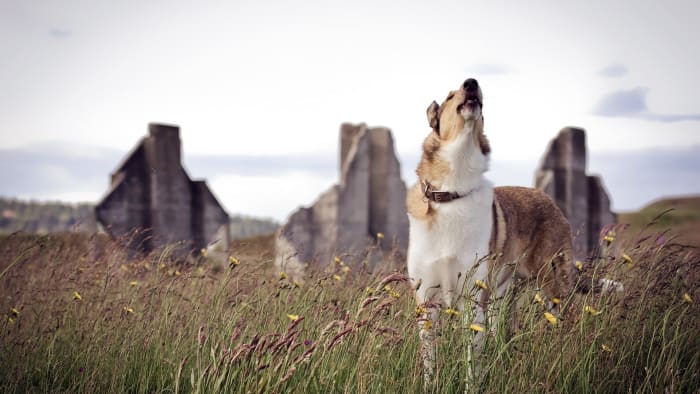
Dogs are naturally packed animals, and they have a strong sense of separation anxiety. When they feel separated from their pack, or when any member from their pack is missing, they trigger a howl as if to say, "I am here—where are you?" Similar behavior is observed in stray dogs. When they find themselves separated from their packs, or when they observe that any pack members are missing, they certainly do howl. You may have also noticed that stray pups start howling when they are waiting for their mother.
 A mother dog howling.
palermo.for91days.co
4. Owner Separation Anxiety
Dogs are loyal, affectionate, and emotional companions. They are deeply attached to their owners and families. When they feel a sense of separation, they howl. Normally, when you take your dog to a new place, he or she will enjoy the new abode as long as you are around. But once you leave your dog alone, he or she will feel separation anxiety and may start howling.

An owner alleviating her dog's separation anxiety.
goldcoastkennels.com.au
5. Attention Seeking
Dogs are always keen to get your attention. When they lack physical exercise or feel nervous, they may need even more of your attention, and sometimes they may do different tricks to get you to notice them. If their needs are not being fulfilled, they can develop behavioral problems. Such behaviors may include a repetitious mild howl, which is your dog's natural way of requesting your attention.
6. Isolation Distress
If a dog is left alone for a long time, he or she may feel isolated and can develop unusual habits. Have you ever left your dog home alone and then returned to find that he or she had destroyed furniture and soiled the carpet? Your neighbor probably complained about your dog howling and making noises, too. Isolation anxiety is a common issue for all dogs, and they will start howling and behaving in an unanticipated manner if they are left alone.
7. Success and Excitement
When your dog achieves something or feels excited, he or she might like to show off and receive praise. But if you aren't noticing, he or she might howl, because howling is a dog's natural mode of vocal communication. You may have observed that hunting dogs usually howl when they've detected some game or succeeded in their hunt. They feel excited and like to communicate their success—they just want a little appreciation, which means they'll start howling to call their owner.

You might have observed that stray dogs howl when they have accidental injuries. Sometimes your dog might howl due to illness: something could be physically wrong and he or she could be suffering from internal pain. So if your dog is howling consistently, then you need to make sure he or she is not sick and check for any physical injuries. If the dog does have any visible injuries, then you need to visit your veterinarian.

A dog howling and trying to rest.
If your dog is feeling annoyed or sad, he or she may howl. For some dogs, music (especially instruments like the mouth organ) is an irritating noise, and if they've been hearing it consistently, it may trigger a howl. Some other sounds can annoy them like alarm clocks, electronic beeps, and sirens.

A dog irritated by the sound of a mouth organ.
10. Responding to High-Pitched Noises or Sounds
If you make a howling sound, then it’s possible that your dog will also start howling, or when one dog starts howling, then other dogs will also start howling. It may be a natural pattern for dogs to respond. Some specific high-pitch sounds can trigger howls: some examples include ambulance or fire truck sirens and some musical instruments.

A dog waiting at night.
Dogs do not howl only at night, but nighttime is usually when they do howl. There are many possible reasons to consider:
- The most convincing reason why dogs howl at night is that they have more relevant reasons and needs at this time. This may be why mostly stray dogs howl at night.
- Dogs hear lots of other noises like traffic, horns, shouting humans, music, etc., so during the day, they may feel more comfortable resting, sleeping, and staying less active. But at night—maybe after 11:00 pm—they may want to find different and more suitable places to dwell where they can hear each other and ramble freely. They may seek a more appropriate environment full of social interaction and vocalization.
- Dogs may actually howl just as often during the day, but the sound of their howls is lost among all the other noises. At night, their high-pitched voices are clearly audible.
- You may have observed stray dogs playing together at night after 11:00 pm or in the early morning around 5:00 am. It's difficult to find them playing together in the daytime (between 10:00 am to 7:00 pm). They are typically active at night and rest during the day, so they have less reason to howl in the daytime; they may also avoid howling in public.
Comments
Post a Comment